A resume is the first impression you make on a recruiter, and in today’s competitive job market, that first impression must be strong, clear, and professional. Whether you’re applying for IT jobs, marketing roles, finance positions, or creative fields, the core principles of building a job-winning resume remain the same. In this guide, you’ll learn how to craft a resume that grabs attention, highlights your strengths, and increases your chances of landing interviews across any industry.
Understanding What Recruiters Want
Before you start writing, you need to understand what hiring managers look for. Every recruiter wants a resume that is easy to read, clearly structured, and tailored to the job description. They scan for skills, experience, achievements, and keywords related to the role. A resume that aligns with the job posting has a much higher chance of passing Applicant Tracking Systems (ATS) and getting shortlisted.
Recruiters also evaluate how well you communicate your value. A resume filled with vague statements is often ignored. Instead, focus on strong action verbs, measurable results, and specific achievements that prove you can do the job.
Choose the Right Resume Format
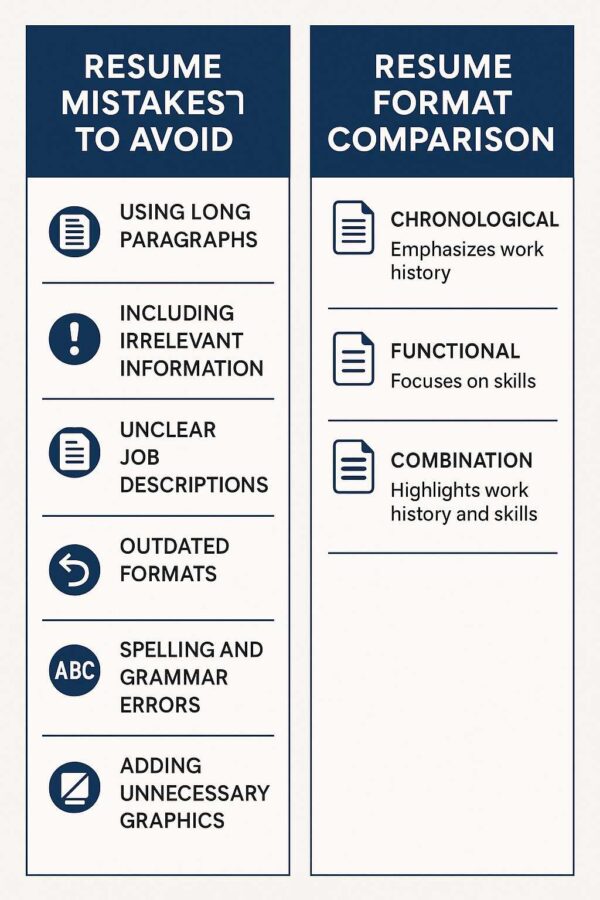
Choosing the correct format is essential for creating a professional resume. There are three main formats:
• Chronological Resume – Best for candidates with consistent work experience.
• Functional Resume – Ideal for freshers, career changers, or those with gaps.
• Combination Resume – Great for experienced professionals who want to highlight both skills and achievements.
Most industries prefer the chronological format because it’s simple and easy to scan. However, if you’re switching careers or lack experience, a functional format helps emphasize your strengths.
Start With a Strong Resume Summary
Your summary is the first thing recruiters read, so make it impactful. Instead of writing a generic introduction, write a 2–3 line summary that highlights your most relevant strengths.
Example:
“Results-driven marketing professional with 3+ years of experience in campaign management, content strategy, and brand building. Skilled in SEO, analytics, and delivering measurable growth.”
A strong summary immediately establishes your skills, experience, and value to the employer.
👉 Check Our Ai Resume Builder
Highlight Skills That Match the Job
Every industry looks for different skills, but your resume should always include both technical skills and soft skills. Highlight only the skills that match the job description.
Examples of skills to include:
• Communication skills
• Project management
• Leadership and teamwork
• Problem-solving
• Time management
• Technical tools relevant to the job
• Industry-specific skills like Java, SQL, AutoCAD, SAP, or Digital Marketing.
Using relevant keywords increases your resume’s ATS score and helps recruiters instantly identify you as a strong match.
Showcase Your Work Experience Effectively
Your experience section is the most important part of your resume. Instead of listing job duties, focus on achievements and measurable results. This is what makes your resume stand out in any industry.
Use bullet points starting with action verbs like “Led,” “Developed,” “Implemented,” “Created,” or “Optimized.”
Example of achievement-focused writing:
“Improved customer satisfaction rating by 30% by streamlining the support process and resolving queries faster.”
This approach shows your contribution rather than just your responsibilities. Employers love candidates who demonstrate results.
Use Numbers to Prove Your Impact
Recruiters are more impressed when you quantify your achievements. Even if you work in creative or non-technical fields, you can still use numbers.
Examples:
• Increased sales by 20%
• Reduced costs by 15%
• Managed a team of 10 members
• Completed 50+ client projects
• Completed tasks ahead of deadlines
Numbers help recruiters visualize your capabilities clearly and quickly.
Tailor Your Resume for Each Job Application
One of the biggest mistakes job seekers make is using the same resume for every job. To create a resume that gets shortlisted, you need to customize it for each application.
Here’s how to tailor your resume effectively:
• Use keywords from the job description.
• Highlight relevant achievements.
• Align your skills with the employer’s needs.
• Adjust your summary based on the role.
This small effort significantly increases your chances of getting interview calls.
Add an Education Section
Your education section should be clear and simple. Include your degree, university name, location, and year of graduation. If you’re a fresher, you can also mention certifications, coursework, or academic achievements.
Examples of useful additions:
• Relevant certifications
• Workshops or training programs
• Internships
• Projects related to your field
This helps your resume look more complete, especially if you’re applying for an entry-level role.
Include Professional Certificates and Projects
Certifications instantly make your resume stronger. They show initiative and expertise. Whether you’re in IT, marketing, HR, finance, or engineering, adding certifications can significantly improve your chances.
Examples:
• Google Digital Marketing Certification
• Project Management Certificate
• Programming language certifications
• Financial modeling courses
• Product management training
If you don’t have formal experience, highlighting projects can help you stand out. Mention what tools you used, what you achieved, and how it relates to the job.
Keep Your Resume Clean and Easy to Read
A clean, professional layout helps recruiters understand your profile quickly. Use simple fonts, proper spacing, and clear headings. Avoid overusing colors, graphics, and fancy designs unless you’re applying for a creative role.
Tips for a polished resume:
• Use a standard font like Arial or Calibri
• Keep text size between 10–12pt
• Use bullet points for clarity
• Maintain consistent formatting
• Keep your resume under one page (for freshers) or two pages (for experienced)
A clean structure makes your resume look more professional and ATS-friendly.
Common Resume Mistakes to Avoid
Many resumes get rejected due to avoidable mistakes. Here are the most common errors:
• Using long paragraphs instead of bullet points
• Including irrelevant information
• Writing unclear job descriptions
• Using outdated formats
• Not adding keywords from the job description
• Spelling and grammar errors
• Including personal details like religion, caste, or full address
• Adding unnecessary graphics that confuse ATS
Avoiding these mistakes increases your resume’s chances of getting noticed.
Final Tips for Writing a Job-Winning Resume
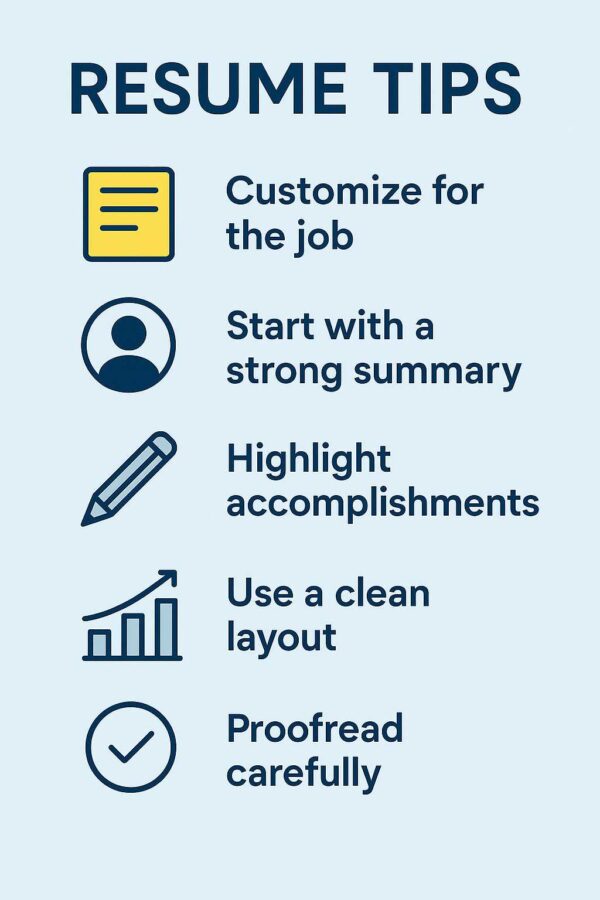
• Customize your resume for every job.
• Use measurable achievements to highlight your value.
• Keep your content relevant and simple.
• Use a professional tone throughout the resume.
• Highlight skills, experience, and achievements clearly.
• Add keywords that match the role.
• Always proofread before submitting.
A resume is not just a document—it’s a marketing tool that showcases your potential. A well-written resume can open doors to new opportunities, help you stand out from other applicants, and increase your chances of landing the job you want.
With the right approach, strong structure, and a focus on results, you can create a resume that impresses recruiters and gets shortlisted for interviews in any industry.